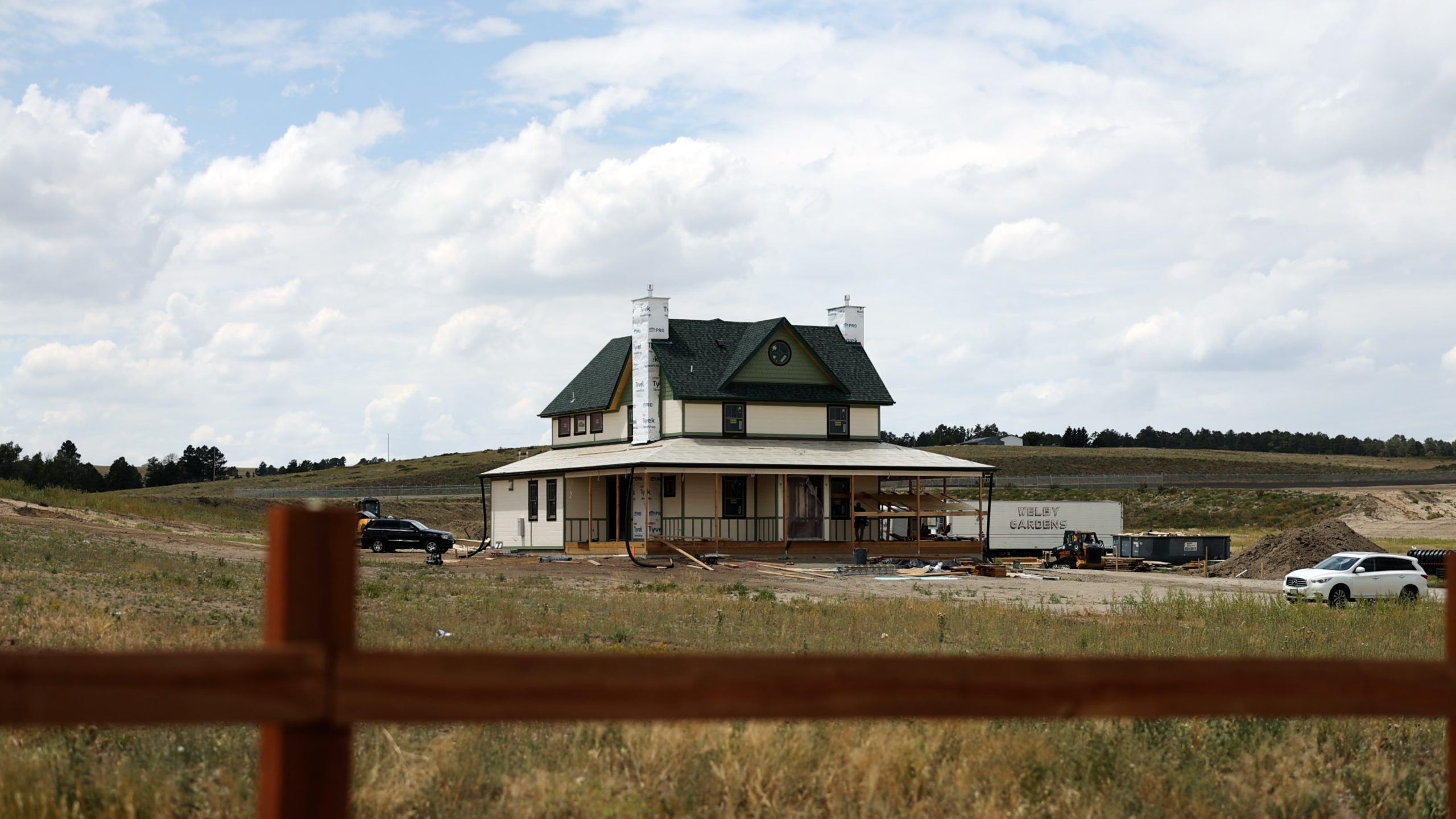
You’ve been thinking about this for months. Maybe years. You drive past that lot on your way to work and picture where the kitchen would go. You’ve saved floor plans in a folder labeled “someday.” You’ve outgrown your current house, but buying someone else’s compromise doesn’t feel right either. So you start asking the question everyone asks: how long does it take to build a custom home?
And if you’re getting honest answers, you’re probably hearing “it depends” more than you’d like.
Here’s why that’s frustrating: you’re trying to plan real life around a major project. Maybe you’re selling your current house. Maybe your lease is ending. Maybe your kids need to start school somewhere that isn’t temporary housing.
You don’t just want a dream home eventually. You want to know what happens between “we’re ready to start” and “here are your keys.”
So let’s talk about the real custom home timeline so you can start planning your home build around more than guesses.
So, How Long Does It Take to Build a Custom Home?
For most custom home construction projects, the full process takes somewhere between 12 and 24 months from the day you start planning to the day you move in.
The actual building phase? That’s usually shorter, somewhere in the 8 to 14 month range once the first shovel hits the ground.
But here’s what most people don’t realize: the work before construction starts can take just as long as the construction itself.
The full timeline often includes:
- Land acquisition and due diligence
- Site evaluation to understand what you’re working with
- Architectural design and layout planning
- Civil site plans for grading, drainage, and access
- Architectural drawings and specifications that guide the build
- Engineering reviews and structural integrity planning
- Budgeting and cost estimates
- Building permits and regulatory approval
- Site preparation and excavation
- Foundation work and waterproofing
- Light-frame construction and exterior shell
- Utility connections for water, power, and sewer
- Plumbing, electrical wiring, and HVAC rough-ins
- Insulation and the building envelope
- Interior and exterior finishes
- Final inspections and punch list completion
That may sound like a lot, because it is. Modern home construction involves more systems, more trades, and more coordination than most people expect when they first start dreaming about a custom build.
But when those pieces are planned in the right order and with the right team, the process feels a lot less overwhelming.
Why the Timeline Starts Long Before You See Walls
Most people picture residential construction as the visible stuff: framing, roofing, drywall, paint.
But a custom home build actually starts underground, on paper, and in meetings you didn’t know you’d need to have.
It starts with understanding the land. With getting the design right. With making sure the budget accounts for reality, not just hope. With securing building permits that prove your plans meet code. With coordinating engineers, architects, and trades before anyone picks up a hammer.
That early work isn’t glamorous. But it’s what separates a smooth build from one that feels like crisis management.
A Realistic Phase-by-Phase Breakdown
Here’s what a typical custom home timeline looks like when you map out the major construction phases:
| Phase | Estimated Timeline |
| Early planning and builder selection | 1 to 3 months |
| Land acquisition and site evaluation | 1 to 2+ months |
| Architectural design, budgeting, and engineering | 2 to 5+ months |
| Building permits and regulatory approval | 1 to 4+ months |
| Site preparation and foundation work | 1 to 3+ months |
| Framing and exterior shell | 2 to 4 months |
| Plumbing, electrical wiring, and HVAC rough-ins | 2 to 4 months |
| Insulation, drywall, and building envelope completion | 1 to 3 months |
| Interior finishes (cabinetry, flooring, paint) | 2 to 5 months |
| Final inspections and punch list | 2 to 6+ weeks |
Some phases overlap. Some stretch longer than expected. Some move faster if decisions are made early and materials arrive on time.
The key is understanding that home construction doesn’t begin when the first wall goes up. It begins when the land, plans, budget, structure, and schedule start working together.
Phase 1: Early Planning and Builder Selection (1 to 3 Months)
This is where the dream starts turning into a plan.
You’re not just talking about square footage and paint colors. You’re talking about how you actually want to live and whether the land, budget, and timeline can support that vision.
What Happens During Early Planning
A good builder won’t just ask how many bedrooms you want. They’ll ask deeper questions:
- How does your family use space day-to-day?
- Where does your current home frustrate you?
- Do you need a bigger garage for tools, bikes, or ski gear?
- Are you planning for a finished basement now, or roughing it in for later?
- Do you work from home and need a real office (not just a corner of the dining room)?
- Are you building for long-term living, resale flexibility, or both?
This phase also includes early conversations about:
- Budget range and site costs
- Home size and layout priorities
- Lot conditions and potential challenges
- Structural integrity needs and foundation options
- Timeline expectations
- Communication and decision-making process
Phase 2: Land Review and Site Evaluation (1 to 2+ Months)
A house plan may look great on paper, but the property gets a vote. The slope of the land, access, drainage, soil conditions, trees, utilities, setbacks, and excavation needs can all affect the design, budget, and schedule.
Why Site Evaluation Matters in Colorado
In Colorado, this phase deserves extra attention.
Expansive soils along the Front Range can shrink and swell with moisture changes, putting pressure on foundations over time. Sloped properties may need extensive sitework and grading. Rural lots may need well or septic planning. Properties in wildfire-prone areas may need defensible space planning from the start.
During site evaluation, your builder should look at:
- Buildable area and setbacks
- Site survey requirements
- Drainage patterns and grading needs
- Driveway access (especially in snow and bad weather)
- Utility connections for water, sewer, and power
- Excavation requirements and site costs
- Retaining walls or other structural site needs
- Foundation options based on soil and slope
- Fire mitigation considerations
- Environmental or HOA restrictions
This phase isn’t about finding reasons the project won’t work. It’s about understanding what the land requires so the home can be built with fewer expensive surprises.
A builder who also handles foundation repair and foundation services can help you spot potential issues early, when they’re easier and cheaper to plan around.
Phase 3: Architectural Design, Budgeting, and Engineering (2 to 5+ Months)
This is where the idea starts becoming a real project with real numbers attached.
The architectural design phase usually includes floor plans, exterior elevations, room layouts, rooflines, window placement, and the overall look and function of the home.
Depending on the project, you may also need civil site plans for grading and drainage, specifications that detail materials and systems, and engineering reviews to ensure structural integrity.
Why This Phase Takes Longer Than You Think
Design isn’t just about making things “look good”. It’s coordinating dozens of decisions that all affect each other:
- Should the garage face south to melt snow faster, or east for morning light?
- Does the slope require a walkout basement or a crawl space?
- Will the roofline shed snow properly without creating ice dams?
- Where do utility connections need to enter the house?
- How will the domestic water system and drainage work together?
- What HVAC setup makes sense for Colorado’s temperature swings?
And then there’s the budget.
A strong budget includes more than square footage and finishes. It accounts for sitework, excavation, building permits, engineering, utility connections, foundation prep, materials, labor, fixtures and fittings, appliances, and a contingency for surprises.
This stage includes decisions about:
- Home size and room layout
- Garage space and mudroom needs
- Basement plans (finished basement vs. roughed-in)
- Foundation type based on soil and site conditions
- Whole-house systems coordination for efficiency
- Cabinetry layout and storage solutions
- Material selections and finish levels
- Plumbing and electrical wiring placement
The clearer your design decisions are, the easier it is to protect your timeline. Vague choices create expensive revisions later.
Phase 4: Building Permits and Regulatory Approval (1 to 4+ Months)
Permits aren’t exciting. But they’re absolutely necessary.
Before construction can begin, plans typically need to be reviewed for building codes, zoning requirements, engineering details, and local regulations. Building permits ensure the work gets inspected at critical stages, especially for structural, plumbing, electrical wiring, mechanical, and safety-related items.
Navigating the Permit Process in Colorado Springs
In the Colorado Springs area, the Pikes Peak Regional Building Department handles plan review, permitting, and inspections. The timeline varies based on:
- Completeness of architectural drawings and specifications
- Engineering clarity and structural integrity details
- Site-specific requirements
- Review volume and staffing
- Revisions or clarifications needed
This is where good preparation pays off:
- Incomplete plans slow down the review
- Missing engineering details trigger revision requests
- Designs that don’t account for site conditions require rework
- Late submissions push the timeline further out
When your builder understands the local permitting process, they can help keep things moving without avoidable delays.
Permitting should never be treated as a formality. It’s part of building correctly — and building to last.
Phase 5: Site Preparation and Foundation Work (1 to 3+ Months)
Once building permits are approved, the visible work begins.
The site may need clearing, grading, excavation, driveway access, erosion control, utility connections, and drainage planning before the house itself takes shape.
This is where the project moves from paper to dirt — and the dirt usually has opinions.
Why Site Prep Varies So Much
Site preparation can be straightforward on some lots and far more involved on others:
- A sloped property may need significant excavation and retaining walls
- A wooded lot may need clearing and stump removal
- A rural property may need trenching for well, septic, or extended utility connections
- A site with drainage concerns may need extensive grading and waterproofing before the foundation goes in
Then comes the foundation — the most important phase of the entire build.
This may include:
- Excavation to proper depth
- Footings poured and inspected
- Foundation walls formed and poured
- Waterproofing and drainage systems installed
- Backfill and compaction
- Slab preparation (if applicable)
- Foundation inspections before moving forward
This is not the place to rush. The foundation supports every wall, floor, roofline, finish, and future memory inside the home.
Phase 6: Framing and the Exterior Shell (2 to 4 Months)
Framing is the phase most homeowners remember because suddenly, the home has shape.
Walls go up. Rooflines appear. Rooms become walkable. That floor plan you’ve been staring at for months finally turns into something three-dimensional.
What Happens During Framing
This phase moves the home from foundation to structure, but it’s not just “putting up walls.”
Light-frame construction affects the way the home carries weight, handles weather, supports windows and doors, and connects to later systems like plumbing and electrical wiring.
This stage typically includes:
- Floor systems and subfloors
- Wall framing and interior partitions
- Roof framing and trusses
- Structural beams and support posts
- Sheathing for rigidity
- Window and door openings
- Roofing installation
- Exterior prep for siding
If the framing is off, every trade that follows feels it. If the exterior shell isn’t properly sequenced, the home stays exposed to weather longer than it should.
A good builder watches this phase closely because it shapes everything that comes next.
Phase 7: Rough-Ins and Building Systems (2 to 4 Months)
Once framing is complete, the home starts filling with the systems that make it livable.
This is where plumbing, electrical wiring, HVAC, low-voltage wiring, and sometimes domestic water system components get installed — all before the walls close up.
Why Rough-Ins Matter More Than You Think
This phase may not feel as dramatic as framing, but it affects your daily life in the home more than almost anything else.
Think about how you’ll actually use the space:
- Where do you need outlets for lamps, chargers, kitchen appliances?
- Where should lights be placed for task work, ambiance, safety?
- How will furniture fit, and where will cords reach?
- Where does the kitchen need extra circuits for appliances?
- Will the garage need 240V for an EV charger or workshop tools?
- How will heating and cooling perform upstairs, downstairs, and in high-use spaces?
This is also where comfort, efficiency, and durability come together.
A thoughtful whole-house systems approach considers insulation, air sealing, lighting, windows, heating, cooling, water heating, appliances, and site conditions as one coordinated system — not a bunch of separate decisions made in isolation.
That kind of coordination helps the home work better once real life moves in.
Phase 8: Insulation, Drywall, and the Building Envelope (1 to 3 Months)
After rough-ins and inspections, the home starts closing up.
Insulation, air sealing, drywall, windows, doors, roofing, siding, and exterior details all work together to create the building envelope — the barrier that separates conditioned indoor space from weather, moisture, heat, cold, wind, and outdoor air.
Why the Building Envelope Matters in Colorado
The building envelope should be designed to manage moisture, air movement, and comfort from the foundation to the roof.
That’s especially important in Colorado, where dry air, heavy snow, intense sun, high winds, and wild temperature swings can all show up in the same week.
This phase typically includes:
- Insulation in walls, ceilings, and floors
- Air sealing to reduce drafts and energy loss
- Drywall hung, taped, and finished
- Exterior siding installed
- Roofing details and flashing completed
- Windows and doors sealed properly
- Moisture management systems checked
- Ventilation planning finalized
It’s easy to focus on what the home looks like after drywall goes up. But what’s behind the walls is doing a lot of quiet, critical work to keep you comfortable year-round.
That’s why the right materials, sequencing, and installation all matter.
Phase 9: Interior and Exterior Finishes (2 to 5 Months)
This is the stage most homeowners picture from the beginning.
Cabinetry. Flooring. Tile. Paint. Trim. Lighting. Plumbing fixtures. Appliances. Hardware. Closets. The home stops looking like a job site and starts looking like the place you’ve been working toward.
How to Keep Finish Decisions From Derailing the Timeline
By this point, you’ve already made a lot of choices. Now every finish seems to come with five more options.
Which tile? Which grout color? Which cabinet pull? Which door style? Which faucet? Which shade of white that somehow looks different in every single room?
Interior and exterior finishes typically include:
- Cabinetry and countertops
- Flooring (hardwood, tile, carpet, luxury vinyl)
- Paint and wall finishes
- Trim, baseboards, and crown molding
- Interior doors and hardware
- Lighting fixtures
- Tile work in bathrooms and kitchens
- Plumbing fixtures (sinks, faucets, toilets, showers)
- Appliances (range, refrigerator, dishwasher, microwave)
- Exterior siding and stone accents
- Decking or outdoor living details
Selections can affect the timeline, especially when materials have long lead times or require specialty installation.
The earlier you finalize key finishes, the easier it is to keep the project moving.
Phase 10: Final Inspections, Punch List, and Move-In (2 to 6+ Weeks)
The final stretch can feel both thrilling and painfully slow.
You’re this close. You can picture furniture in the rooms. You’re mentally arranging the kitchen. You’re thinking about the first morning coffee on the deck.
But there are still important steps before move-in day.
What Happens Before You Get the Keys
Final inspections need to happen. Systems need to be tested and balanced. Touch-ups need to be completed. Details need attention.
This stage typically includes:
- Final building inspections for code compliance
- HVAC system balancing and startup
- Plumbing and electrical wiring final checks
- Fixtures adjusted and tested
- Paint touch-ups and corrections
- Trim corrections and caulking
- Door and window adjustments
- Final cleaning (inside and out)
- Exterior grading and drainage checks
- Owner walk-through with the builder
- Punch list creation and completion
This part can test your patience because you’re standing right next to the finish line, close enough to see it but not quite there yet.
But it’s worth getting right.
What Can Make a Custom Home Timeline Longer?
Even a well-planned project can hit delays. The difference is whether those delays are understood, managed, and communicated clearly.
Common Timeline Factors to Plan For
Site and land challenges:
- Difficult site conditions
- Poor soil or drainage requiring extra foundation work
- The slope of the land requiring more excavation or retaining walls
- Expansive soils needing special foundation design
- Remote location affecting material delivery
Planning and approval delays:
- Incomplete architectural drawings or specifications
- Building permit review backlog
- Engineering revisions
- Regulatory approval complications
- HOA or county restrictions
Construction variables:
- Weather (snow, rain, extreme cold)
- Utility connections taking longer than expected
- Material lead times and supply chain issues
- Trade scheduling conflicts
- Inspection timing and availability
- Late finish selections
- Major change orders mid-project
- Specialty materials requiring custom fabrication
- Labor availability in your area
- Fire mitigation or defensible space requirements
Some of these are avoidable. Others are just part of building a real home on real land in the real world.
For example, Colorado properties often need extra planning around slope, soil, drainage, snow, wind, and wildfire exposure. In certain areas, creating defensible space is part of responsible site planning and long-term property protection.
A good builder won’t pretend delays never happen. They’ll help you understand what’s causing them, what they affect, and what comes next.
How to Keep Your Custom Home Build on Schedule
You can’t control every variable in a construction project. But you can make decisions that help protect the timeline.
Start by Involving Your Builder Early
Don’t wait until the plans are fully drawn, the land is purchased, and the budget is already locked in your mind.
Early builder input helps you understand buildability, site costs, structure, utilities, permitting requirements, and realistic timeline expectations before changes get expensive or impossible.
You can also keep the process smoother by:
- Getting the land reviewed during site evaluation before finalizing purchase
- Building a realistic budget that accounts for sitework, permits, and contingencies
- Finalizing major layout decisions before construction starts
- Understanding the construction phases and what decisions you’ll need to make when
- Making finish selections on time (especially long-lead items like cabinetry and fixtures)
- Avoiding major changes once work begins
- Responding quickly when your builder needs decisions
- Asking upfront how communication will work throughout the project
- Planning for weather delays and material lead times
- Leaving budget room for site-specific surprises
A custom home build works best when the team, scope, budget, and schedule are aligned from the start.
That doesn’t mean the process will be perfect. Construction has too many moving parts for that.
But it does mean you won’t be left guessing or scrambling in the middle of it.
Faster Isn’t Always Better (And Why That Matters)
It’s completely reasonable to want your home finished quickly.
No one wants to feel stuck in temporary housing, caught between selling and moving, or waiting month after month for visible progress. You want your life back. You want your routines back. You want to stop saying, “Once the house is done…”
But in custom home construction, speed has to be balanced with quality and structural integrity.
What Gets Sacrificed When You Rush
Rushing site evaluation can create drainage problems that show up the first time it rains. Rushing foundation planning can create structural concerns that cost tens of thousands to fix later. Rushing design can lead to expensive mid-construction revisions. Rushing finish selections can cause delays when materials aren’t available. Rushing inspections can leave important details unresolved.
The better goal isn’t the fastest possible build.
The better goal is a clear, efficient, well-managed timeline that keeps the project moving forward without burying problems under drywall, flooring, and fresh paint.
At Sanderson Quality Construction, we believe the best homes are built with the future in mind. That means looking carefully at the land, the structure, the foundation, the systems, and the finish details before the project gets too far down the road.
Because the goal isn’t just to finish the home.
It’s to build it right.
Build It Right from the Ground Up
So, how long does it take to build a custom home? The honest answer is 12 to 24 months from start to finish. But the real answer depends on your land, your design, your decisions, and your team.
A custom home build is a big project. But it shouldn’t feel like a black box.
You deserve to know what’s happening, what comes next, what could affect the schedule, and which decisions matter most. You deserve a builder who can explain the process clearly, spot problems early, and help you make decisions with confidence.
At Sanderson Quality Construction, we help Colorado homeowners plan and build custom homes from the ground up. With our structural expertise and comprehensive home building services, we bring a full-picture view to your custom home build.
Ready to talk through your land, your timeline, and your next step? Reach out today, and let’s build it right from the ground up.
Frequently Asked Questions About Custom Home Construction
How long does it take to build a custom home in Colorado?
The full process often takes 12 to 24 months from early planning to move-in, depending on the land, design, permitting, weather, and construction complexity. The actual home construction phase may be 8 to 14 months, but site evaluation, architectural design, engineering, and building permits add time before the first shovel hits the ground. A builder can give you a more accurate custom home timeline after reviewing your property and goals.
What part of the custom home timeline takes the longest?
The longest phase depends on the project. Some homes spend the most time in architectural design, engineering, and regulatory approval, while others take longer during site preparation, foundation work, or interior finishes. Challenging land conditions, late selections, and major mid-project changes can also stretch the schedule significantly.
Can a custom home be built faster?
Sometimes, but it depends on the site, scope, materials, permitting process, and how quickly decisions are made. A simpler home on an easier lot with nearby utility connections will usually move faster than a complex home on sloped land with expansive soils, retaining walls, and custom finishes. The best way to protect the custom home timeline is to plan thoroughly early, make decisions on time, and work with a builder who coordinates all the construction phases efficiently.
Why does the land affect the construction timeline?
The land affects excavation, access, drainage, utility connections, soil tests, grading, and foundation design. A flat lot with utilities already nearby is simpler than a sloped property requiring retaining walls, extensive sitework, or engineered solutions for the slope of the land. Understanding site conditions early through proper site evaluation helps reduce expensive surprises once construction begins.
When should I contact a custom home builder?
Contact a builder before your plans are finalized, and ideally before you buy land. Early builder input helps you understand budget, buildability, building permits, utility connections, foundation needs, site costs, and realistic timeline expectations. That guidance can prevent costly redesigns, permitting delays, and construction problems later in the process.
How much does weather affect a custom home timeline?
Weather can affect excavation, concrete work, framing, roofing, exterior finishes, and site access. In Colorado, snow, wind, rain, freeze-thaw cycles, and extreme temperature swings can all change the schedule. A good builder plans for weather where possible and communicates clearly when conditions affect the timeline.