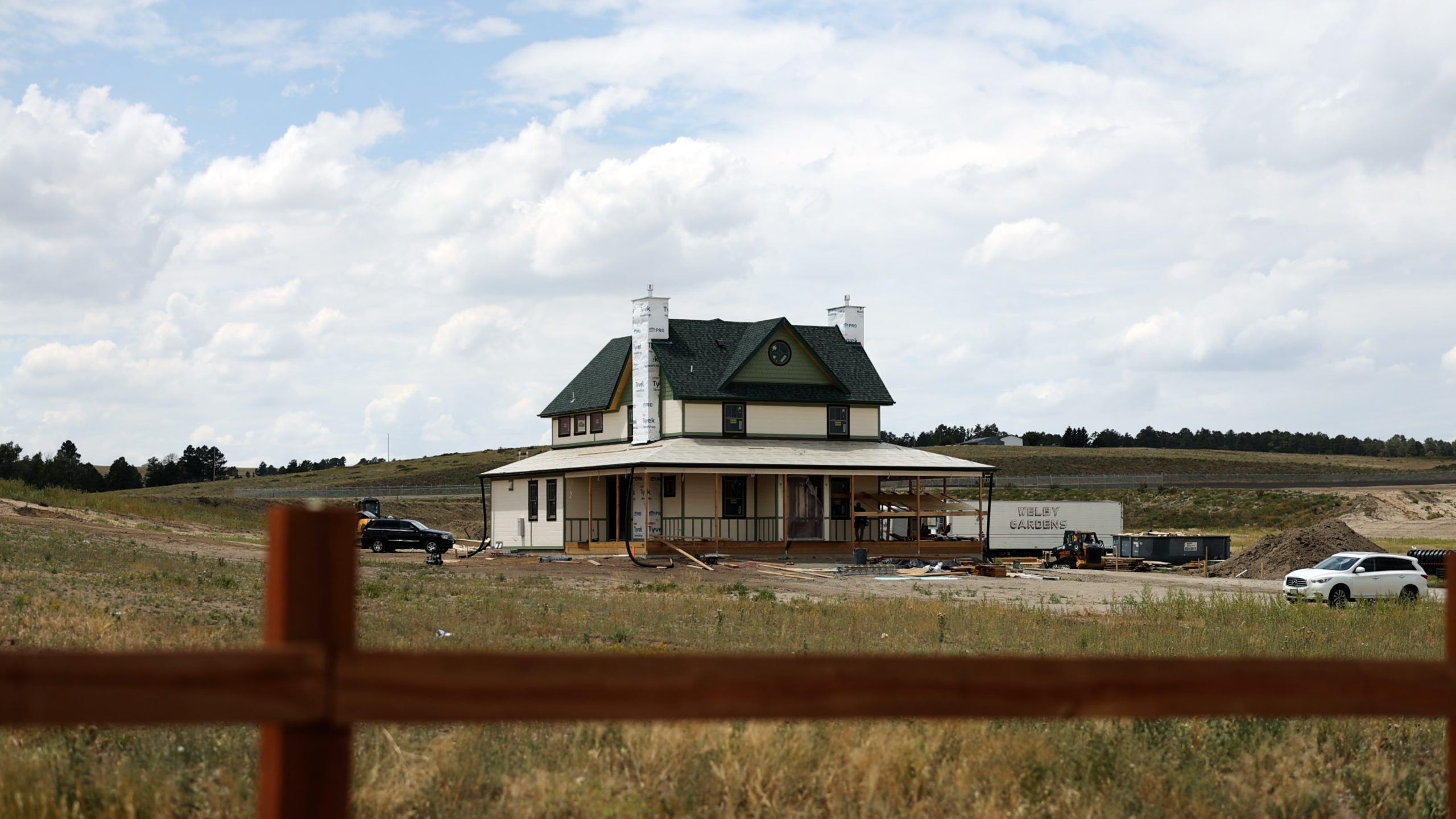
You’ve been scrolling through Pinterest boards for months. You’ve dog-eared magazines. You’ve driven past that lot three times this week, imagining where the kitchen windows would catch the morning light. Building a custom home is equal parts thrilling and terrifying.
Here’s what most people don’t tell you: the hardest part isn’t choosing between quartz and granite. It’s not even the budget spreadsheet that keeps growing. The hardest part is knowing which questions to ask before you’re too far down the road to turn back.
Maybe you’re worried about picking the wrong custom home builder. Maybe you’ve heard horror stories about projects that went sideways. Maybe you’re just tired of feeling like you should already know things you’ve never done before.
That’s exactly why we put this guide together.
This is what we wish every client knew before their first shovel hit the ground. The things that prevent the budget surprises, the buyer’s remorse, and all the uncomfortable conversations that start with “I thought that was included.”
Let’s walk through what building a custom home actually looks like when you do it right.
Tip #1: Your Custom Home Build Needs to Start Underground
The fun part is imagining the open kitchen, the vaulted ceilings, the mudroom that finally gives your family’s gear a proper home.
But custom home construction doesn’t start with the things you can see. It starts with what’s underneath.
The foundation. The dirt. The way water moves across your property when it rains. The soil tests that tell you whether you’re building on rock or clay that swells every spring.
If that sounds boring, consider this: every foundation crack we’ve ever repaired, every basement that shouldn’t have flooded, every expensive fix that could’ve been avoided. It all traces back to decisions made (or skipped) before the first wall went up.
Start with Your Soil
In Colorado, the lot isn’t just where your house sits. It’s a living, breathing part of the build.
The slope of the land determines where your driveway goes, how water drains, whether you need retaining walls, and how much you’ll spend on excavation. Expansive soils along the Front Range can shift with moisture changes, putting pressure on foundations over time.
None of this means your property is a problem. It means you need to understand what you’re working with before you fall in love with a floor plan that doesn’t fit.
Before you finalize anything, ask:
- Does this lot need a site survey?
- Are soil tests recommended, or required by the county?
- Will the driveway work in January when it’s covered in snow and ice?
- Is there enough room for proper grading and drainage?
- Are utilities already nearby, or will we need to extend water, sewer, and electricity?
- Does the layout work with sun exposure, wind patterns, views, and access?
When you’re building a custom home, the land is just as important as the foundation itself.
Tip #2: Choose a Custom Home Builder Who Understands Structure
Any custom home builder can make a house look good. But without a strong foundation, those good looks won’t matter.
Will the foundation hold up after ten freeze-thaw cycles? Will the drainage system keep water away from the basement? Will the structural integrity of the home protect your investment long after the new-home smell fades? If your builder can’t answer these questions confidently, that’s a red flag.
Structural Expertise Matters
A good builder should be able to handle foundation repair, structural repairs, and basement additions.
A builder with structural experience helps you think through:
- What type of foundation makes sense for your specific site conditions
- Whether your soil needs special preparation or engineering
- How water should move around (and away from) your home
- Where structural support matters most in your design
- How to reduce future settling, cracking, or moisture problems
Beautiful finishes are part of the dream. But a strong home is what protects that dream for the next 30 years.
Tip #3: Build a Real Budget, Not a Best-Case Budget
Here’s where most custom home builds get into trouble: the budget looks great on paper, but it’s built on hope instead of reality.
You’ve seen the price-per-square-foot calculators online. You’ve heard someone’s cousin built for $200 per square foot. You’ve done the math and thought, “We can make this work.”
Then reality shows up.
What Actually Goes Into a Real Budget
A strong budget isn’t just square footage and finish choices. It’s everything that has to happen before your home looks like a home.
The costs people forget about:
- Water, sewer, and electricity connections (especially if utilities aren’t already at the property line)
- Sitework and excavation
- Grading and drainage systems
- Retaining walls or other site-specific needs
- Site survey and engineering
- Soil tests and geotechnical reports
- Permits and inspections
- Architectural drawings and specifications
- Plumbing, electrical wiring, and HVAC systems
- Insulation and energy efficiency upgrades
- Fixtures and fittings
- Appliances
- Landscaping
- Contingency funds (because something always comes up)
The size and features of new single-family homes vary widely, which is why generic online estimates can be so slippery.
Your budget should be tied to your land, your design, your materials, and your actual scope.
A clear budget won’t eliminate every surprise. But it keeps surprises from hijacking the whole project.
Tip #4: Get Specific About How You Actually Live
A custom home is personal. That’s the whole point.
But “personal” doesn’t mean vague. Saying you want something “open and functional” doesn’t tell your builder much.
The more specific you are about daily life, the better your home can support it.
The Questions That Lead to Better Design
Think about the real stuff. The routines, the frustrations, the things your current home doesn’t quite handle.
Ask yourself:
- Where do backpacks, keys, and shoes land when everyone gets home?
- Where does the dog sleep?
- Do you need a bigger garage for tools, bikes, skis, or camping gear?
- Will guests stay often enough to need a dedicated space?
- Do you work from home and need a real office (not just a corner of the dining room)?
- Do you need a finished basement now, or would it make more sense to rough it in for later?
- What storage problems keep showing up no matter how much you declutter?
Building a custom home isn’t just about choosing rooms. It’s about designing around the way your family actually moves through life.
Tip #5: Make Sure You Fully Understand the Process Before It Starts
One of the easiest ways to reduce stress? Know what’s coming next.
A custom home build moves through several major construction phases: planning, design, approvals, site preparation, foundation work, framing, rough-ins, the building envelope, interior work, exterior work, final finishes, inspections, and punch list completion.
Here’s the Broad Sequence:
- Architectural drawings and specifications guide the entire project
- The site is cleared and prepped (this is the sitework phase)
- The foundation is built
- Framing creates the structure (hello, carpenters)
- Plumbing, electrical wiring, and HVAC systems go in
- Insulation and drywall close up the walls
- Roofing, siding, windows, and doors create the building envelope
- Cabinets, flooring, tile, paint, fixtures and fittings, and appliances finish the home
- Final inspections confirm everything meets code
- Punch list items get wrapped up
The process doesn’t need to feel like a mystery. A good builder walks you through the order, explains what decisions are needed when, and helps you understand how one phase affects the next.
Tip #6: Don’t Treat Building Codes and Permits Like Paperwork
Building codes and permits and inspections might not be exciting, but they’re not just red tape.
They exist to support safety, durability, and resilience. They make sure your home meets the requirements for the area where it’s being built.
In the Colorado Springs area, permits and inspections are handled through the Pikes Peak Regional Building Department. That includes plan review, inspection scheduling, and local requirements that vary by property and scope.
Why This Step Matters
When site plans are complete, engineering is reviewed, and inspections happen at the right stages, the project runs smoother.
When they’re treated like an afterthought? That’s when delays pile up and costs creep higher.
A good builder knows how to navigate this part of the process so you don’t have to.
Tip #7: Make Finish Decisions With the Whole House in Mind
Choosing finishes can be fun at first. Then it turns into a very expensive maze.
Flooring. Tile. Lighting. Doors. Hardware. Paint. Plumbing fixtures. Cabinets. Countertops. Siding. Roofing. Appliances. Trim.
Every choice affects the final look, the budget, the lead times, and sometimes even the installation sequence.
Think About the Whole Home, Not Just Individual Details
For example, energy-efficient home design can influence windows, insulation, landscaping, solar orientation, appliances, lighting, and the way the home responds to Colorado’s climate.
Those decisions work best when they’re coordinated, not sprinkled in at the end.
In a custom home, the most important finish decisions are also performance decisions:
- Durable flooring that can handle pets, kids, boots, and ski gear
- Windows that support comfort and efficiency year-round
- Exterior materials that hold up against Colorado weather
- Cabinet layouts that match your actual daily routines
- Lighting designed by task and mood, not just by room
- Plumbing fixtures that fit both style and function
- Insulation choices that support comfort in summer and winter
The goal isn’t to make every choice fancy. The goal is to make every choice make sense.
Tip #8: Plan for Water Before Water Becomes the Problem
Water is one of the biggest forces acting on a home.
It falls as rain and snow. It moves through soil. It collects against foundations. It follows slope. It finds low spots.
If it’s not planned for, it creates moisture problems, foundation pressure, erosion, basement issues, and long-term headaches.
Drainage Should Be Discussed Early
Your builder should think through:
- Site grading (how the land slopes away from the house)
- Gutters and downspouts
- Foundation drainage systems
- Waterproofing
- Soil conditions
- Exterior slopes
- Driveway runoff
- Basement or crawl space moisture control
- Landscaping placement near the home
Good moisture planning also supports indoor comfort. Moisture control, air sealing, vapor strategies, and the full building envelope all work together to prevent problems inside a home.
For Colorado homes, planning for water is a big priority.
Tip #9: Designing for Colorado Conditions (Not Just Colorado Views)
A home in Colorado needs to handle more than pretty mountain backdrops.
It needs to stand up to intense sun, high winds, heavy snow, hail, dry air, wild temperature swings, wildfire risk, slope challenges, drainage issues, and expansive soils.
What That Looks Like in Practice:
- Durable roofing and exterior materials that can take a beating
- Practical rooflines that shed snow and manage drainage
- Grading that moves water away from the house
- Garage and mudroom space for all that outdoor gear
- Efficient windows and insulation for extreme temperature swings
- Smart ventilation systems
- Fire-conscious landscaping choices
- Outdoor living areas designed around sun and wind patterns
In wildfire-prone areas, creating defensible space around the home is part of protecting your investment.
This is where working with a custom home builder in Colorado Springs makes a real difference. A builder who understands the region can help you make decisions that fit the land, the climate, and the way people actually live here.
Tip #10: You Need a Residential Builder Who Sees the Whole Picture
The biggest headaches in residential construction happen when no one is connecting the dots.
The designer has one vision. The site has different ideas. The budget starts shifting. The soil asks for more prep work. Utilities take longer than expected. Finish selections affect lead times. A small change in one area creates five new questions somewhere else.
That’s why you need a builder who understands how all the pieces fit together.
At Sanderson Quality Construction, we bring together custom home construction, foundation services, structural repairs, basement additions, and complex project coordination.
That means we’re not just looking at the visible parts of your home. We’re thinking about what supports it, what protects it, and what helps it last.
That full-picture perspective helps you avoid surface-level fixes, disconnected decisions, and preventable surprises.
Ready to start building a custom home with fewer headaches? Reach out today to schedule a free consultation, and let’s talk through your land, your vision, and the smartest next step.
Frequently Asked Questions About Residential Construction Projects
What should I know before starting a custom home build?
Start with your land, your budget, and your priorities. A good builder helps you understand site conditions, foundation needs, utilities, sitework, and design choices before the project gets too far down the road. The earlier you get clear on those pieces, the easier the process feels.
Why does the land matter so much in home construction?
The land affects excavation, drainage, utilities, access, the slope of the land, soil tests, and the type of foundation your home needs. In Colorado, soil movement and moisture changes are especially important. Studying the lot early prevents expensive surprises later.
How can I keep a custom home project from going over budget?
Build a realistic budget that includes sitework, permits, engineering, utilities, fixtures and fittings, finish selections, and a contingency fund. Make major design decisions before construction begins, and ask how each change affects cost and timeline. Clear scope and steady communication make a big difference.
What makes Sanderson Quality Construction different from other builders?
At Sanderson Quality Construction, we bring a structural-first perspective to residential construction. Because our team also handles foundation repair, structural repairs, basement additions, and complex work, we understand how homes perform from the ground up. That helps homeowners make smarter decisions before problems are hidden behind finished walls.
Do I need soil testing before building a custom house?
Many properties benefit from soil tests, especially in areas where soil movement, slope, drainage, or foundation performance may be a concern. Soil information helps the builder and engineer make better decisions about excavation and foundation design. It’s a small early step that protects the larger investment.
When should I contact a builder?
Contact a builder before plans are finalized and sometimes even before land is purchased. Early builder input helps you understand buildability, budget, utilities, permits, and structural needs. That guidance saves time, stress, and costly redesigns later.